- Email info@skhcotkc.edu.hk
- Phone 24240321
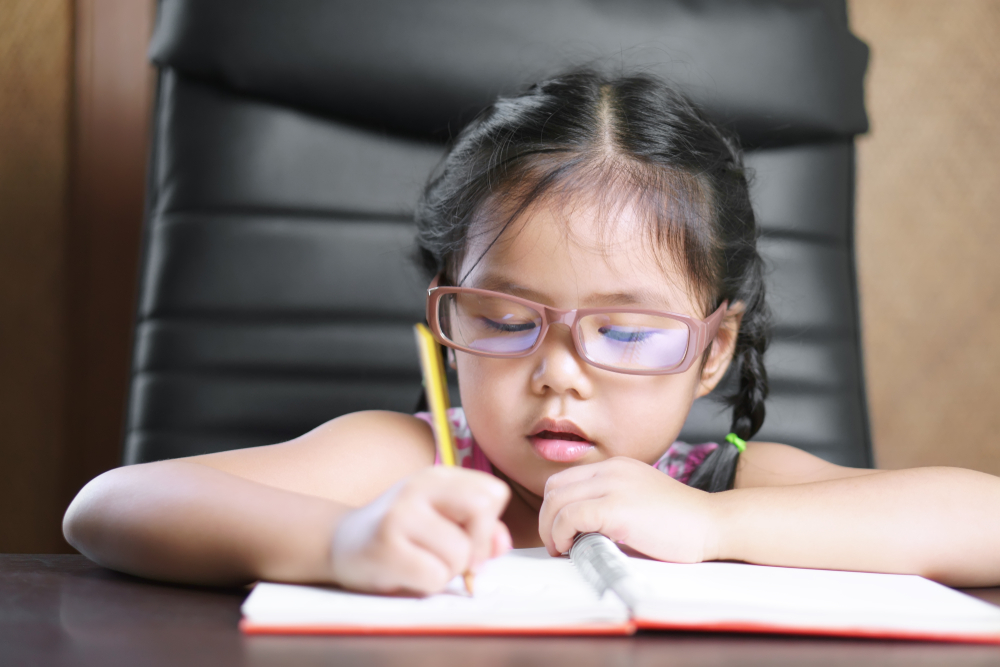
香港兒童因為近視而需要佩戴眼鏡的情況十分普遍。由於近視問題可影響兒童生活及學習,作為父母更需懂得如何應對,並及早帶子女求醫以控制近視加深,避免近視問題惡化。有醫生提醒家長,日常生活中可從細節上多加留意小朋友的視力有否異常,如有需要,可透過控制近視的眼藥水或配置合適的眼鏡,矯正視力,如果兒童已有深近視,更需密切跟進。
港怡醫院眼科名譽顧問醫生陳迅傑表示,「深近視」是指600度以上的近視問題︰「眼球拉得越長,近視就越深。人的眼球大約22至25毫米長,每長1毫米,近視可能會加深大約300度,如果近視達800度或以上,出現併發症的風險將會增加,例如白內障、青光眼、視網膜脫落等,針對小朋友深近視問題,父母首要工作是避免其度數持續加深,否則對成長各方面的影響都可以十分長遠。」
It is very common for children in Hong Kong to need to wear glasses due to myopia. Since myopia can affect children’s lives and learning, parents need to understand how to deal with it and seek medical attention early to control the progression of myopia, preventing it from worsening. Doctors remind parents to pay attention to the details of their children’s vision in daily life to check for any abnormalities. If needed, myopia control eye drops or suitable glasses can be used to correct vision. For children with severe myopia, close monitoring is even more essential.
Dr. Chan Shun Kit, Honorary Consultant Ophthalmologist at Glorious Hospital, stated, “High myopia” refers to myopia of over 600 degrees: “The longer the eyeball is stretched, the more severe the myopia becomes. The average length of a human eyeball is about 22 to 25 millimeters. For every millimeter of elongation, myopia may worsen by around 300 degrees. If myopia reaches 800 degrees or above, the risk of complications such as cataracts, glaucoma, and retinal detachment increases. For children with severe myopia, the primary goal for parents is to prevent the degree from continuously deepening, as the impacts on various aspects of growth can be long-lasting.”
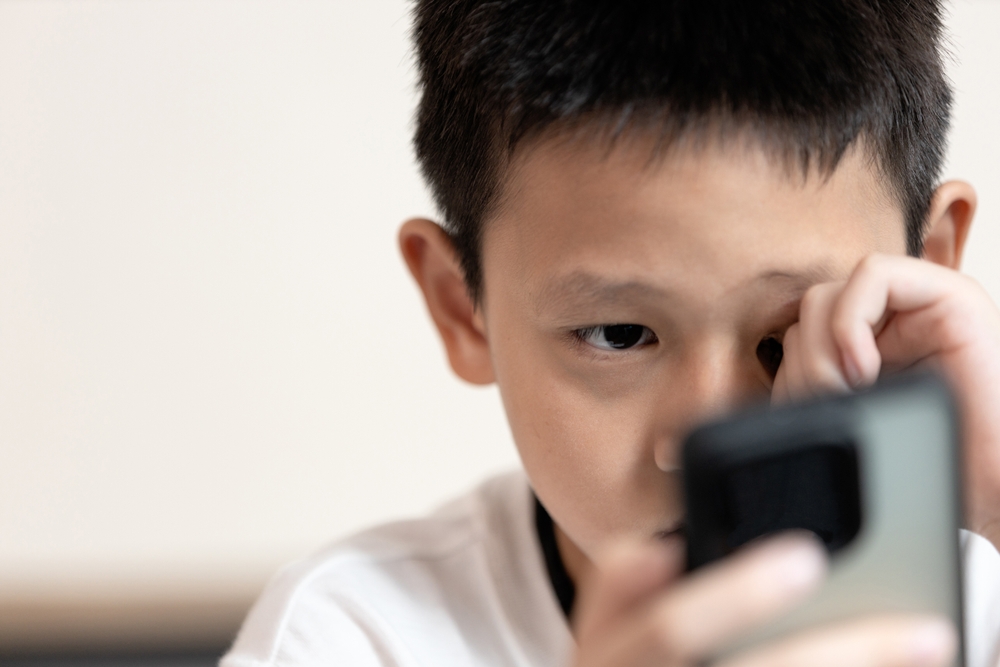
從細節觀察兒童有否近視跡象
不過,兒童常常有近視而不自知,只會覺得看東西不清楚,未必會宣之於口。陳醫生提醒家長,多從子女日常生活細節觀察︰「看看小朋友會否經常瞇著雙眼、走近電視,或經常心不在焉。最常見是上學時無法看到黑板,抄寫功課較慢或出錯,甚至連學業成績也會下滑。」他建議家長定時與學校老師溝通,了解子女的學習情況,從而儘早識別視力問題。
要延緩小朋友近視加深,最重要是養成良好的生活習慣。陳醫生舉例,看東西時,物件儘量距離視線30厘米,並且切勿躺著或在昏暗處看書、玩手機。此外,小朋友做功課時,光線處理也非常重要,如果子女使用右手寫字,燈光應置於左上方。他補充,小朋友在3、4歲時已有一定的表達能力,便可作定期視力檢查,平日飲食也要注重均衡營養,多吃含有維他命A食物補充身體所需。
It is very common for children in Hong Kong to need to wear glasses due to myopia. Since myopia can affect children’s lives and learning, parents need to understand how to deal with it and seek medical attention early to control the progression of myopia, preventing it from worsening. Doctors remind parents to pay attention to the details of their children’s vision in daily life to check for any abnormalities. If needed, myopia control eye drops or suitable glasses can be used to correct vision. For children with severe myopia, close monitoring is even more essential.
Dr. Chan Shun Kit, Honorary Consultant Ophthalmologist at Glorious Hospital, stated, “High myopia” refers to myopia of over 600 degrees: “The longer the eyeball is stretched, the more severe the myopia becomes. The average length of a human eyeball is about 22 to 25 millimeters. For every millimeter of elongation, myopia may worsen by around 300 degrees. If myopia reaches 800 degrees or above, the risk of complications such as cataracts, glaucoma, and retinal detachment increases. For children with severe myopia, the primary goal for parents is to prevent the degree from continuously deepening, as the impacts on various aspects of growth can be long-lasting.”
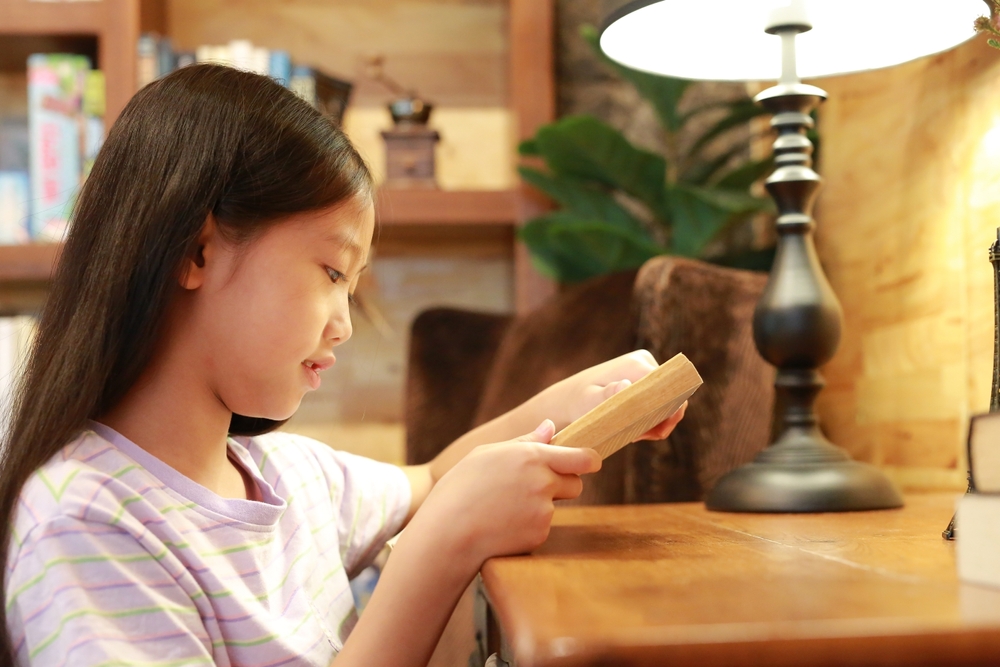
改善生活習慣 控制近視
若然小朋友的近視問題已深到影響生活及學習,父母可因應狀況,讓子女接受適當治療。陳醫生說有4種控制近視加深的方法,第1種是使用「近視控制眼藥水」,此眼藥水以低濃度劑量控制近視,適合兒童使用,每日一次,惟這絕非「靈丹妙藥」,用藥後仍然需要透過改善生活習慣,或佩戴眼鏡等方法,矯正視力。家長亦可考慮子女實際情況,向專業人士了解應否使用混合方案,透過近視控制眼藥水及佩戴離焦眼鏡相輔相成。
第2種方法是佩戴離焦眼鏡,透過把影像置於視網膜前方,藉此減慢近視患者的眼軸生長。第3及第4種方法是佩戴離焦隱形眼鏡(硬鏡)或(軟鏡),這類隱形眼鏡一般分為硬鏡(夜間使用)及軟鏡(日間使用),一般建議7歲以上的小朋友使用。硬鏡必須每日清潔,而軟鏡則需每日更換,否則或會增加細菌感染的風險。
陳醫生說,曾有一名6歲兒童近視達200度,但家長認為可讓他再過數年才戴眼鏡,但這段時間兒童的視力一直下降,連學習也構成影響。他勸喻家長,如果小朋友有近視,應儘早作出改善,「太早戴眼鏡對小朋友不好」只是個錯誤觀念。
*備註:
陳醫生提醒,應對減慢近視加深有多種不同方案,各有不同成效、副作用及風險,家長應與醫生討論,按子女身體狀況及實際視力問題等,選擇最適合的治療方案。
Improving Lifestyle Habits to Control Myopia
If a child’s myopia has progressed to the point of affecting their daily life and learning, parents can adapt by seeking appropriate treatment for their children. Dr. Chan mentions four methods to control the progression of myopia. The first method involves using “myopia control eye drops,” which use low-concentration doses to manage myopia, suitable for children’s use once a day. However, this is not a “miracle cure”; after using the eye drops, improvements in lifestyle habits or wearing glasses are still necessary to correct vision. Parents can also consider a combination approach tailored to their child’s situation, incorporating both myopia control eye drops and wearing defocus glasses.
The second method involves wearing defocus glasses, which place the image in front of the retina to slow down the elongation of the eye axis in myopic patients. The third and fourth methods involve wearing defocus contact lenses (hard lenses) or (soft lenses), typically recommended for children aged 7 and above. Hard lenses require daily cleaning, while soft lenses need daily replacement to reduce the risk of bacterial infections.
Dr. Chan mentions a case of a 6-year-old child with 200-degree myopia; the parents thought it was okay to delay glasses for a few more years, but during this time, the child’s vision continued to deteriorate, impacting their learning. He advises parents that if a child has myopia, early intervention is crucial, as the notion that “wearing glasses too early is bad for children” is a misconception.
*Note:
Dr. Chan emphasizes that there are various approaches to slowing the progression of myopia, each with different effectiveness, side effects, and risks. Parents should discuss with doctors to choose the most suitable treatment plan based on their child’s health and specific vision issues.




Comments are closed